
Missolonghi 1826–2026. Exodus: A Path to Freedom
Exhibition 30 October 2026 – 31 January 2027
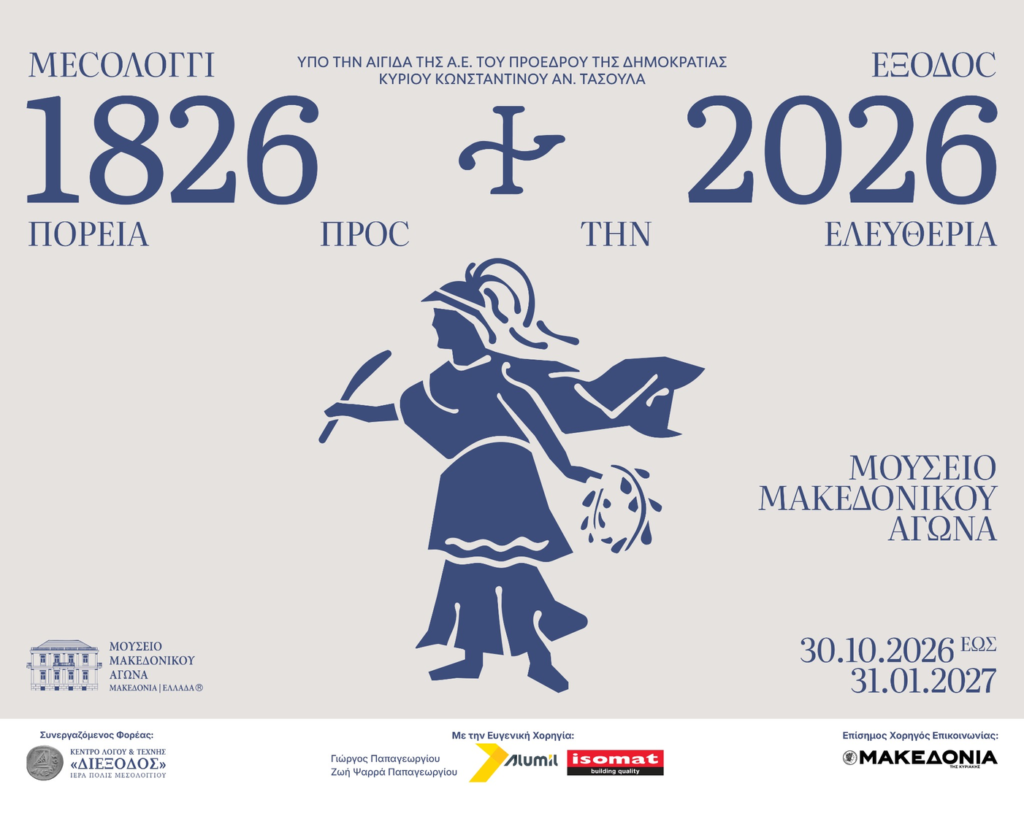
The Foundation of the Museum of the Macedonian Struggle and the Modern History of Macedonia (IMMA) is organising an exhibition of artworks and historical artefacts entitled “Missolonghi 1826–2026. Exodus: A Path to Freedom”, marking the bicentenary of the heroic Exodus of Missolonghi.
The exhibition is held under the auspices of H.E. the President of the Hellenic Republic, Mr Konstantinos An. Tasoulas.
The exhibition presents a multifaceted artistic and historical narrative dedicated to the memory of sacrifice, the collective struggle for freedom, and the enduring impact of one of the most significant events of the Greek War of Independence. It also explores how this historical event became embedded in collective memory and continued to inspire modern Greek artistic expression. Through this creative interplay, the exhibition seeks to illuminate the different dimensions of the Exodus: anguish and hope, human suffering, the overcoming of fear, and self-sacrifice as the ultimate expression of devotion to freedom.
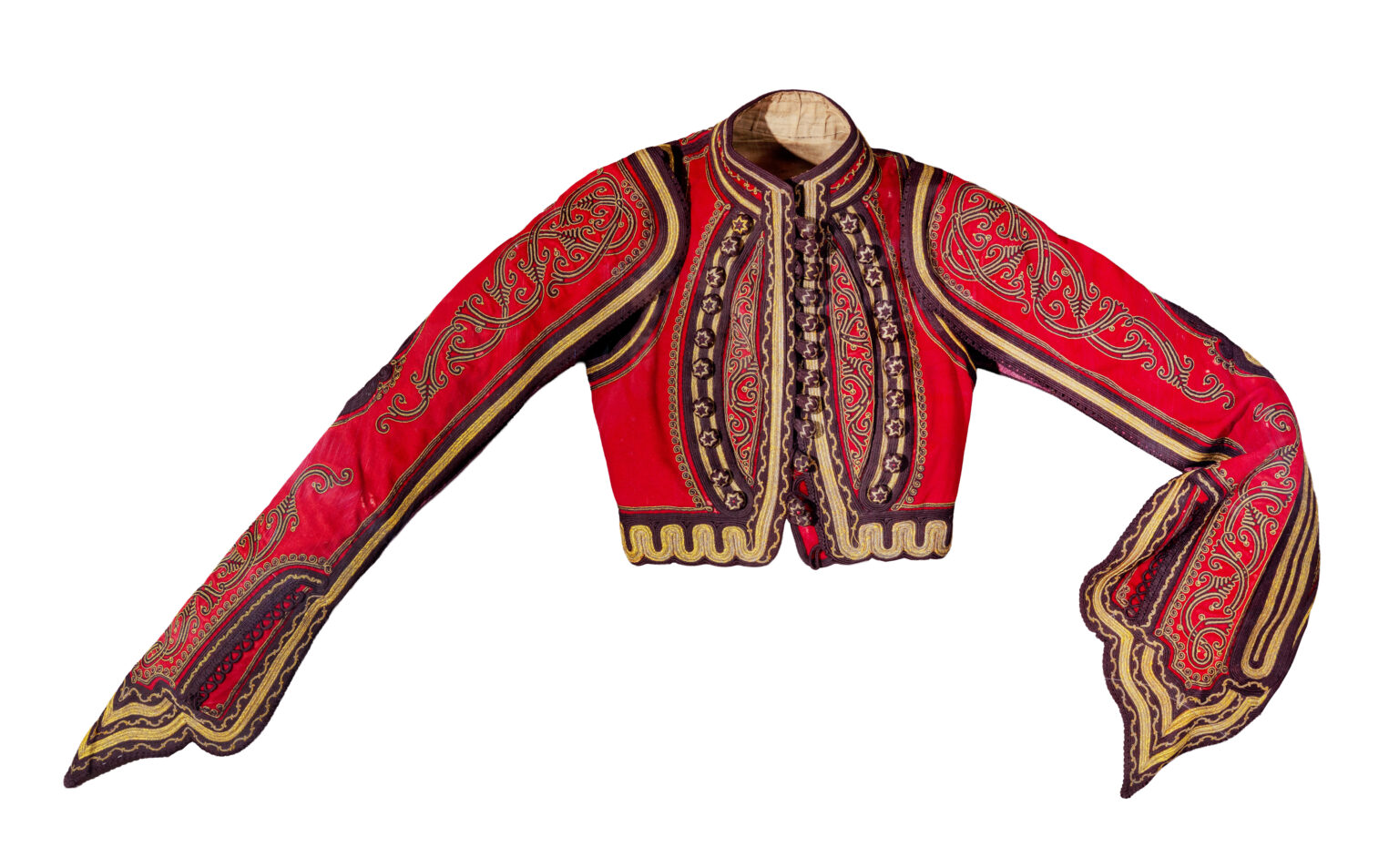
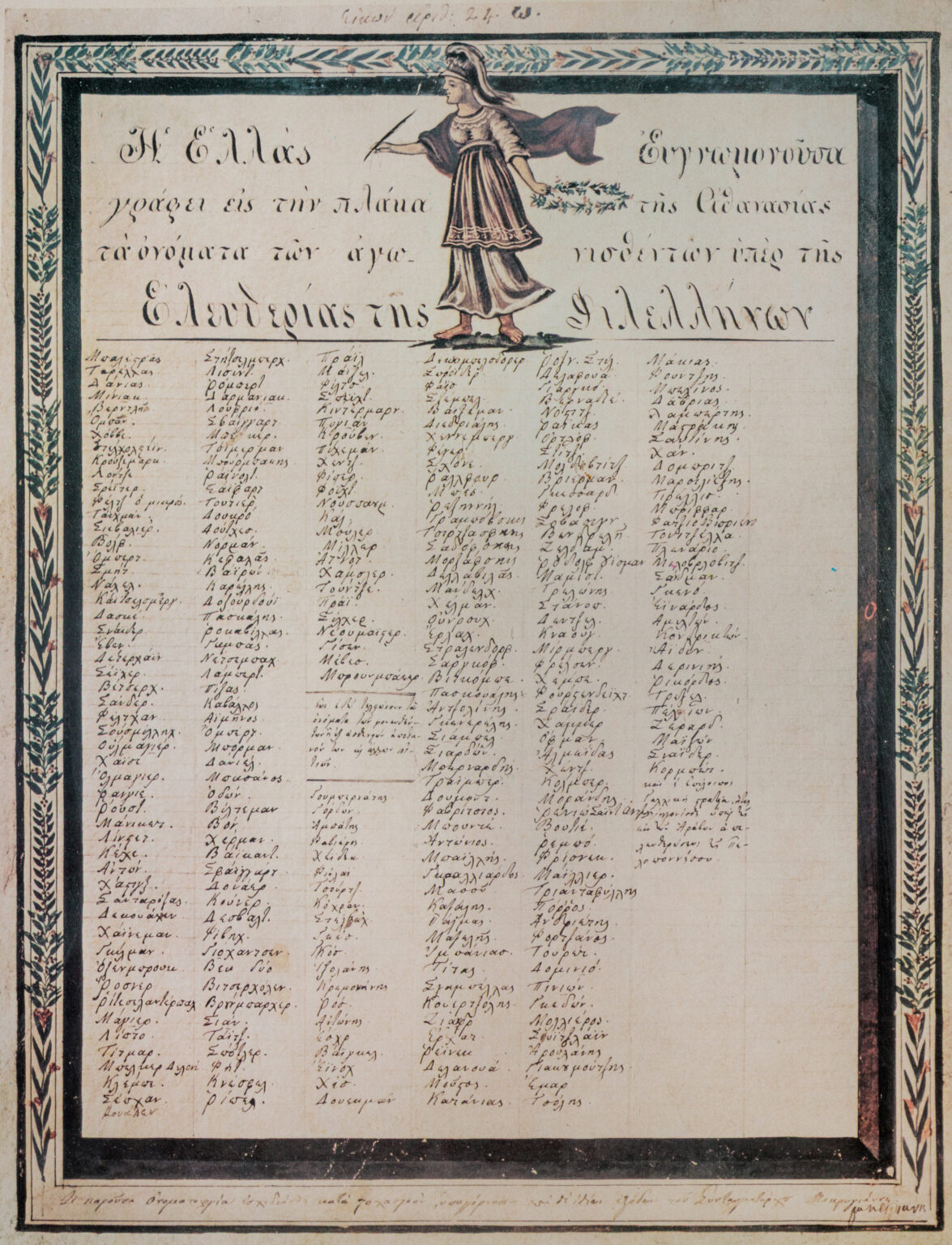
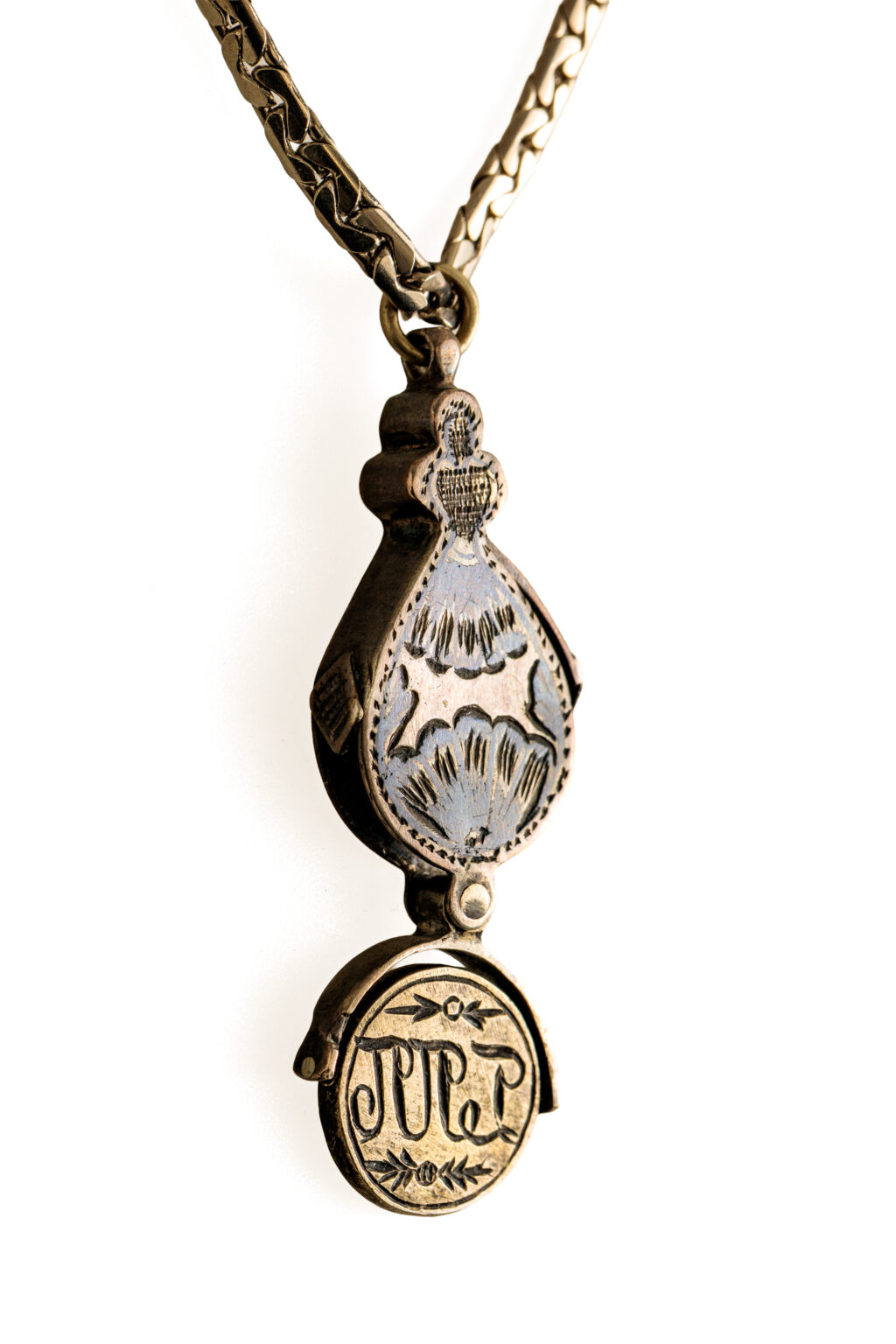
The exhibition is organised in collaboration with the “Diexodos” Centre for Literature and Art, a valuable custodian of the history and cultural heritage of Missolonghi. Selected historical artefacts from its collections are on display, including nineteenth-century jewellery and clothing, philhellenic documents and objects from everyday life.
In direct dialogue with these historical artefacts are works by distinguished artists, including Yannis Adamakis, Stefanos Daskalakis, Irini Kana, Nektarios Pachi adakis, Alekos Fassianos and Yannis Psychopedis, alongside artistic photographs by Nikos Siamos. Together, they create an environment in which historical testimony meets artistic interpretation.
The exhibition is curated by Stavroula Mavrogeni, Professor and Vice-Rector of the University of Macedonia and Director of KEMIT-IMMA, and Athina Pavlidou, Philologist–Museologist and Director of IMMA.
The exhibition is made possible with the generous support of Giorgos Papageorgiou and Zoi Psarra Papageorgiou, as well as ALUMIL and ISOMAT.
The bicentenary of the Exodus of Missolonghi provides an opportunity for meaningful dialogue between History and Art. Artistic creation serves not only as an aesthetic representation of the past but also as a means of interpretation, emotional engagement and deeper understanding of the human experience. Through images, figures, symbols and historical objects, the past acquires a renewed presence and connects with values that remain relevant today.
By combining artistic expression with authentic historical evidence, the exhibition invites visitors to experience the Exodus of Missolonghi from a personal and reflective perspective, highlighting its enduring significance as a symbol of freedom, resistance and national self-awareness.
The exhibition is accompanied by a catalogue designed by Studio Hervik, as well as a parallel programme of guided tours and lectures, offering visitors the opportunity to explore the historical event, its artistic interpretations and its lasting significance in greater depth.
The relationship between Greek art and History has been close and meaningful from an early stage. The great moments of the Greek past, the struggles, the figures of the fighters, the sacrifices and the moments of collective ordeal became, particularly from the nineteenth century onwards and the establishment of the modern Greek state, one of the most significant fields of artistic creation. Painting, printmaking and, later, photography did not merely record events. They played a decisive role in shaping the image of History within the collective consciousness.
Historical painting, above all, offered a means of giving the past a face. Of making it visible. Of giving it form, action and emotional resonance. Battles, sieges, exoduses, death and sacrifice were transformed into images that could be transmitted from one generation to the next. The artist thus assumed a distinctive role: to engage with an event that preceded their own time and to translate it into the visual language of the present.
Among the events that have secured a prominent place in modern Greek iconography, the Exodus of Missolonghi is perhaps one of the most characteristic examples. The dramatic nature of the event, the collective resolve, the march towards death, and the transformation of sacrifice into a symbol of freedom have endowed the Exodus with enduring power. Missolonghi did not remain merely a historical event of 1826; it became an image, a subject of poetry, literature and art. It became a memory.
The exhibition “Missolonghi 1826–2026. Exodus: A Path to Freedom” allows us to trace this journey through different artistic perspectives and across different historical periods. And this is precisely where one of its most significant qualities lies: it does not present a single, definitive image of History, but rather multiple interpretations of historical memory.
Missolonghi seems to approach History as a palimpsest of memory. The event is not presented as a linear narrative. It emerges in fragments, through images, faces, symbols and traces. The past appears to coexist with the present, as though the process of remembering it has never truly come to an end. Here, History is not a closed narrative, but a field to which each era contributes its own perspective.
This is why it continues to return through art. Every artist who engages with it does not simply reproduce an earlier image. They reinterpret it, filtering it through their own era, sensibility and visual language.
Thus, the artworks in the exhibition do not stand in relation to the historical artefacts as mere illustrations of them. They engage in a dialogue. The authentic object bears witness to the fact that the event took place; the work of art invites us to reflect on what that event means today.
Between the weapon and its painted representation, between the old document and the contemporary image, between the figure of the freedom fighter and the modern gaze upon them, a dialogue unfolds between two different temporal dimensions: the time of History and the time of memory.
And perhaps this is where the enduring power of historical art lies. It does not simply preserve the past as something alive. It brings it back into the present, time and again, allowing us to see it anew, through different eyes.
For the great moments of History belong not only to those who experienced them, but also to those who remember them, interpret them and transform them into art. History becomes image. Image becomes memory. And memory, through art, continues to engage in a dialogue with the present.
Stavroula Mavrogeni
Professor, Department of Balkan, Slavic and Oriental Studies
Vice-Rector for Personnel, Student Welfare, Lifelong Learning and Culture, University of Macedonia
Director, Centre for Research on the History and Documentation of Macedonia (IMMA)
Chief Curator of the Exhibition
Organised by
Foundation of the Museum of the Macedonian Struggle and the Modern History of Macedonia (IMMA)
Under the Auspices of
H.E. the President of the Hellenic Republic, Mr Konstantinos An. Tasoulas
Collaborating Organisation
“Diexodos” Centre for Literature and Art
General Coordination
Athina Pavlidou, Philologist–Museologist, PhD Candidate in Museology, Director of IMMA
Exhibition Curators
Stavroula Mavrogeni, Professor, Department of Balkan, Slavic and Oriental Studies; Vice-Rector for Personnel, Student Welfare, Lifelong Learning and Culture, University of Macedonia; Director of KEMIT-IMMA
Athina Pavlidou, Philologist–Museologist, PhD Candidate in Museology, Director of IMMA
Administrative Support
Kalypso Tryfonaki, Administrative Secretary, IMMA
Artists
Yannis Adamakis
Stefanos Daskalakis
Irini Kana
Nektarios Pachiadakis
Nikos Siamos
Alekos Fassianos
Yannis Psychopedis
Loans of Artworks and Historical Artefacts
Stefanos Daskalakis
Irini Kana
Danis Kotzaivazoglou
Thanasis Michailidis
Ilias Boumpouris
Yannis Psychopedis
“Diexodos” Centre for Literature and Art
Soupilas Family
Visual Identity – Graphic Design
Studio Hervik
Exhibition Sponsors
Giorgos Papageorgiou and Zoi Psarra Papageorgiou
ALUMIL
ISOMAT
Media Sponsors
Makedonia Newspaper
emakedonia.gr
GIORGOS PAPAGEORGIOU
ZOI PSARRA PAPAGEORGIOU



8th Thessaloniki Biennale of Contemporary Art / “Yiannis and Miltos Manakia. People behind the lens”
Exhibition 15 February – 31 December 2023

“SITES OF MEMORY. From Pontus and Asia Minor to Macedonia”
Exhibition 28 May – 31 December 2022

The resonance of the Greek War of Independence in the art of today
Exhibition 5 June – 31 August 2021