Macedonia in the Hellenic Parliament, 1897–1989: Book Presentation at the Thessaloniki International Book Fair
Book PresentationEventsExhibitions May 11 2025
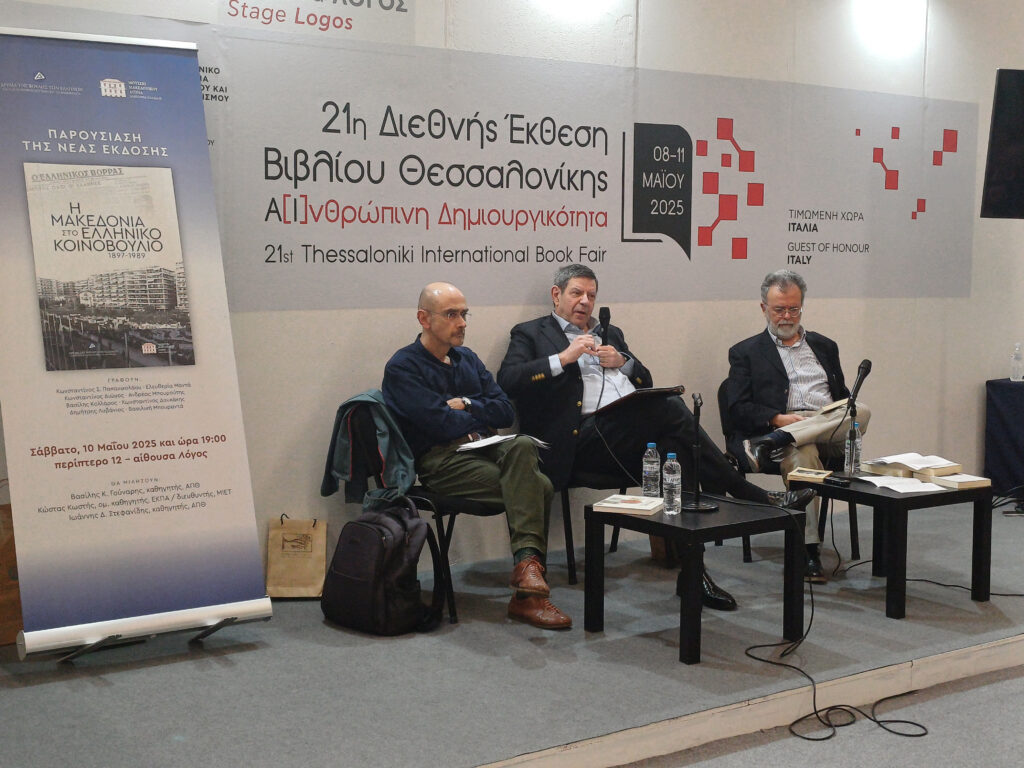
The Thessaloniki International Book Fair has become an institution for the world of books, a meeting place for authors, readers, institutions, and publishers. This year’s 21st Fair (May 8–11, 2025), organized by the Hellenic Foundation for Books and Culture (ELIVIP) and with Italy as the guest of honor, marked another milestone in its growing success. It hosted 850 exhibitors from 40 countries and over 600 events covering a wide range of themes such as women’s literature, artificial intelligence, the climate crisis, and the Balkans.
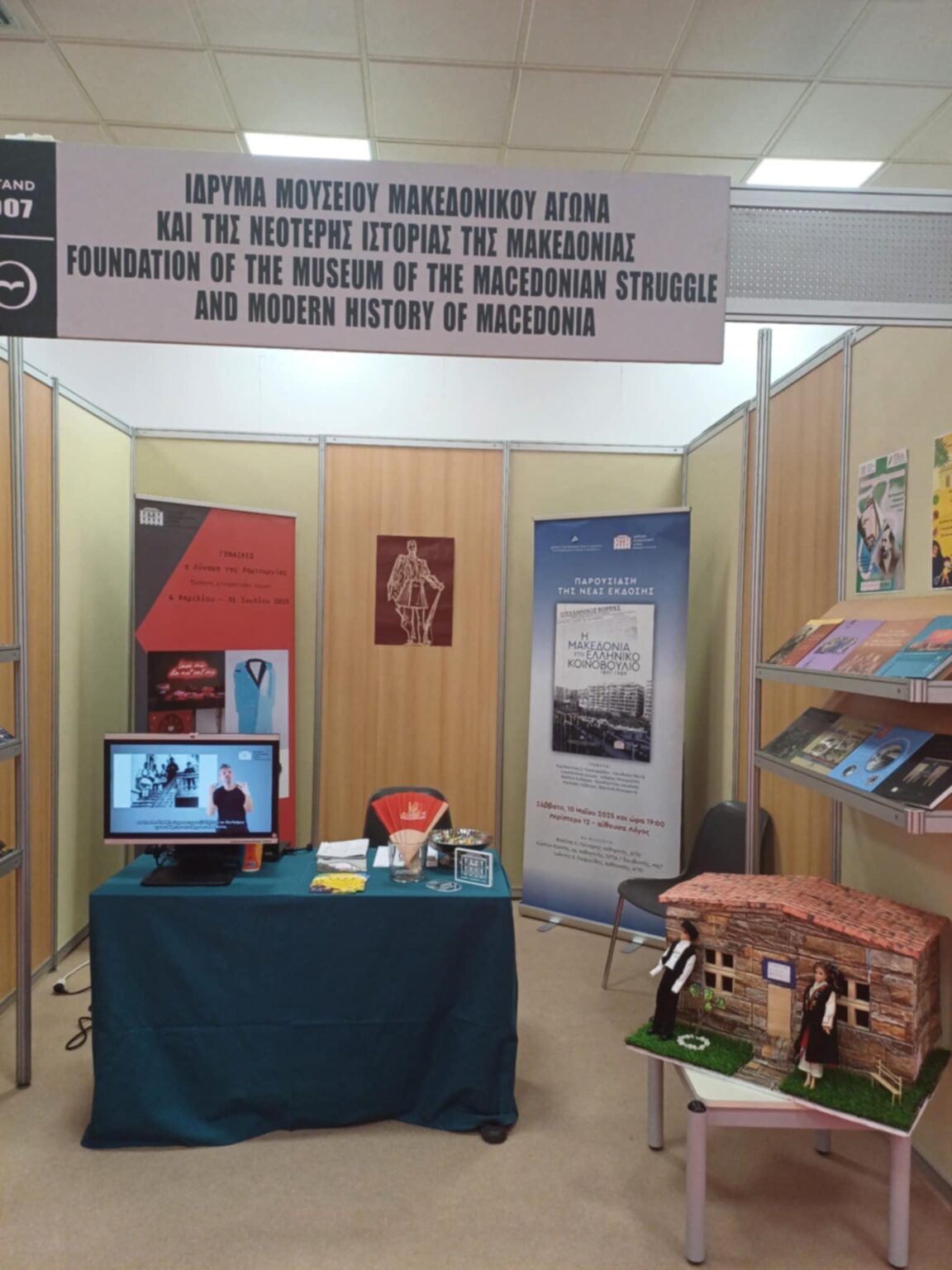
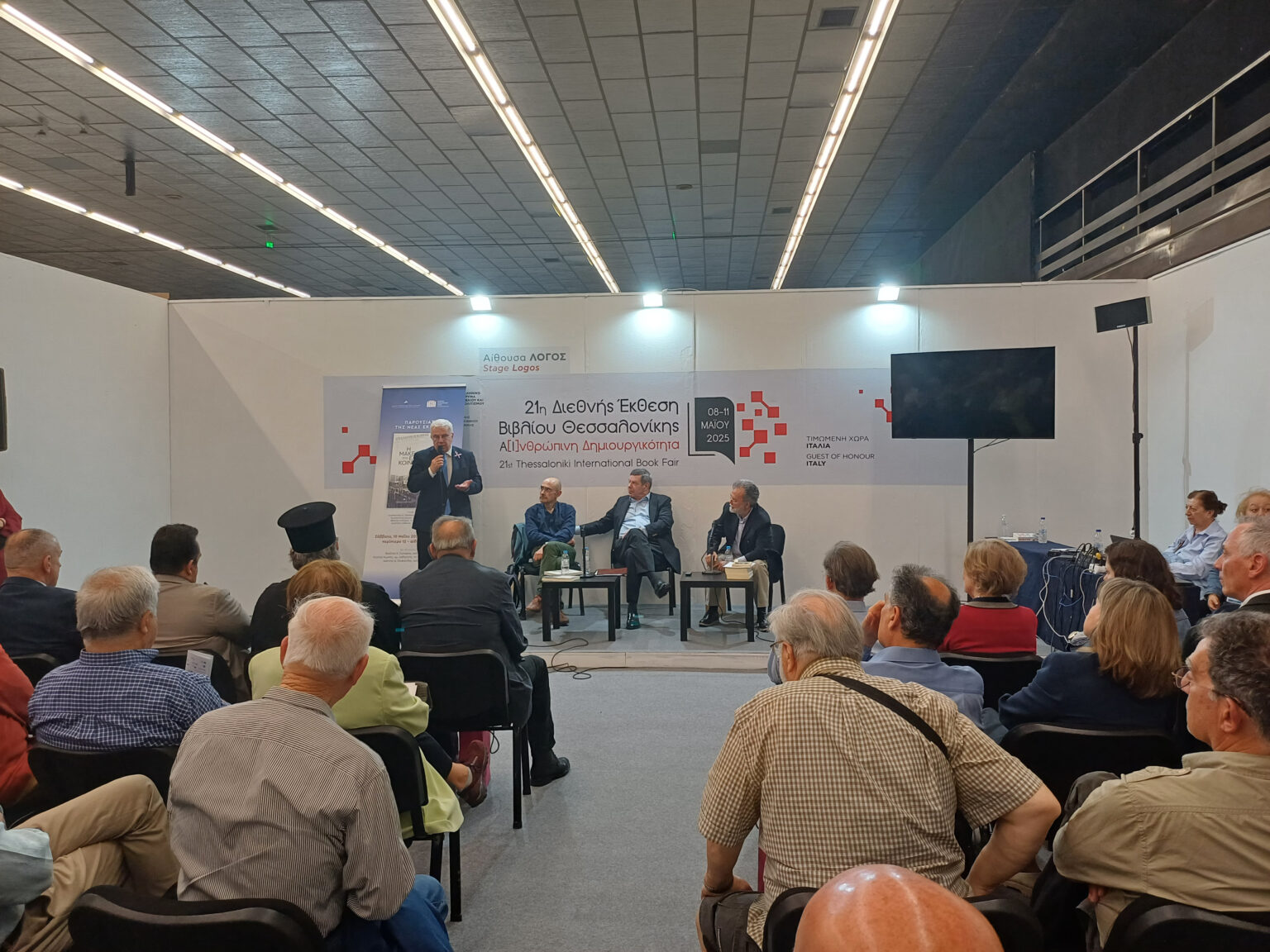
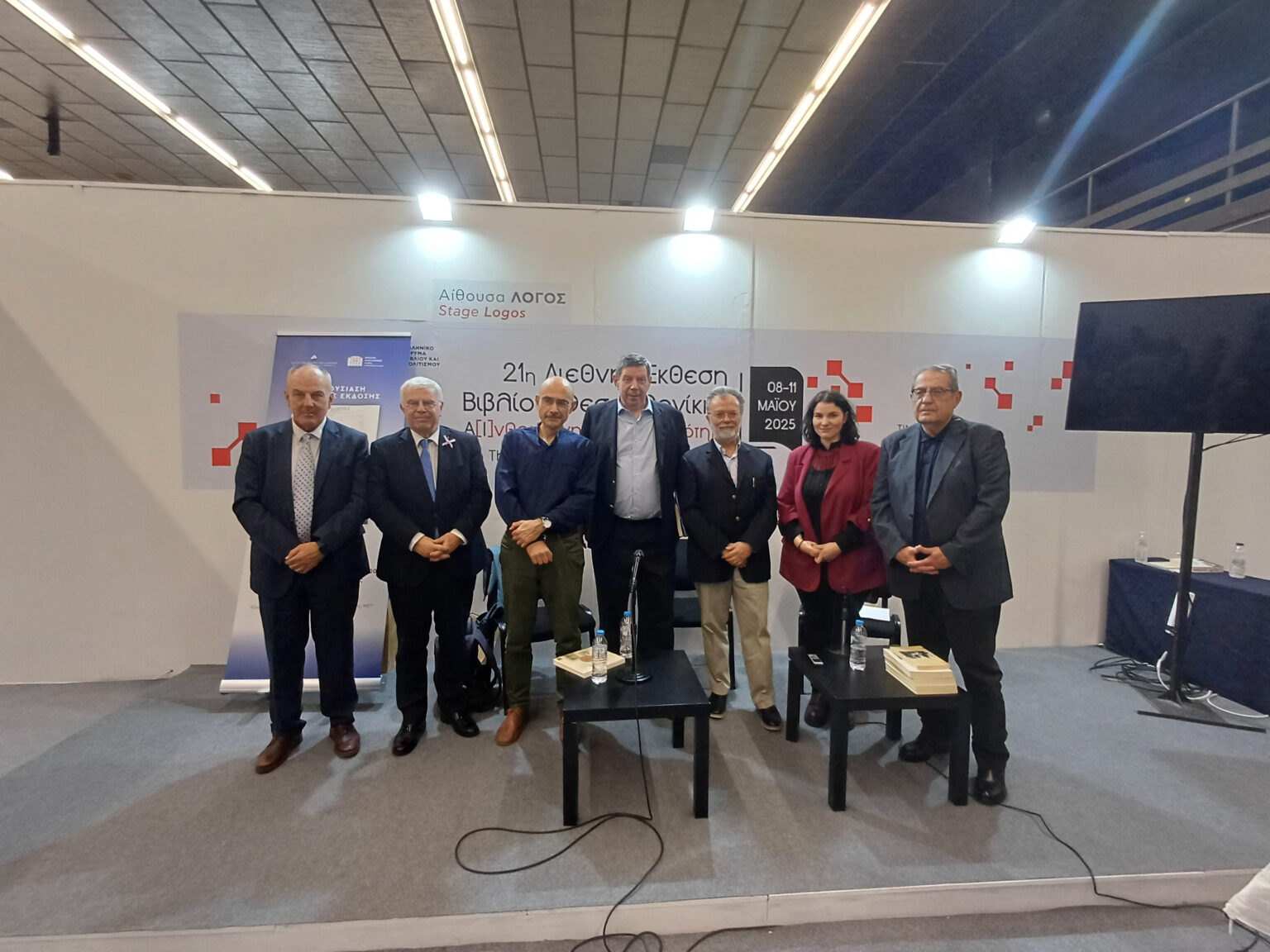
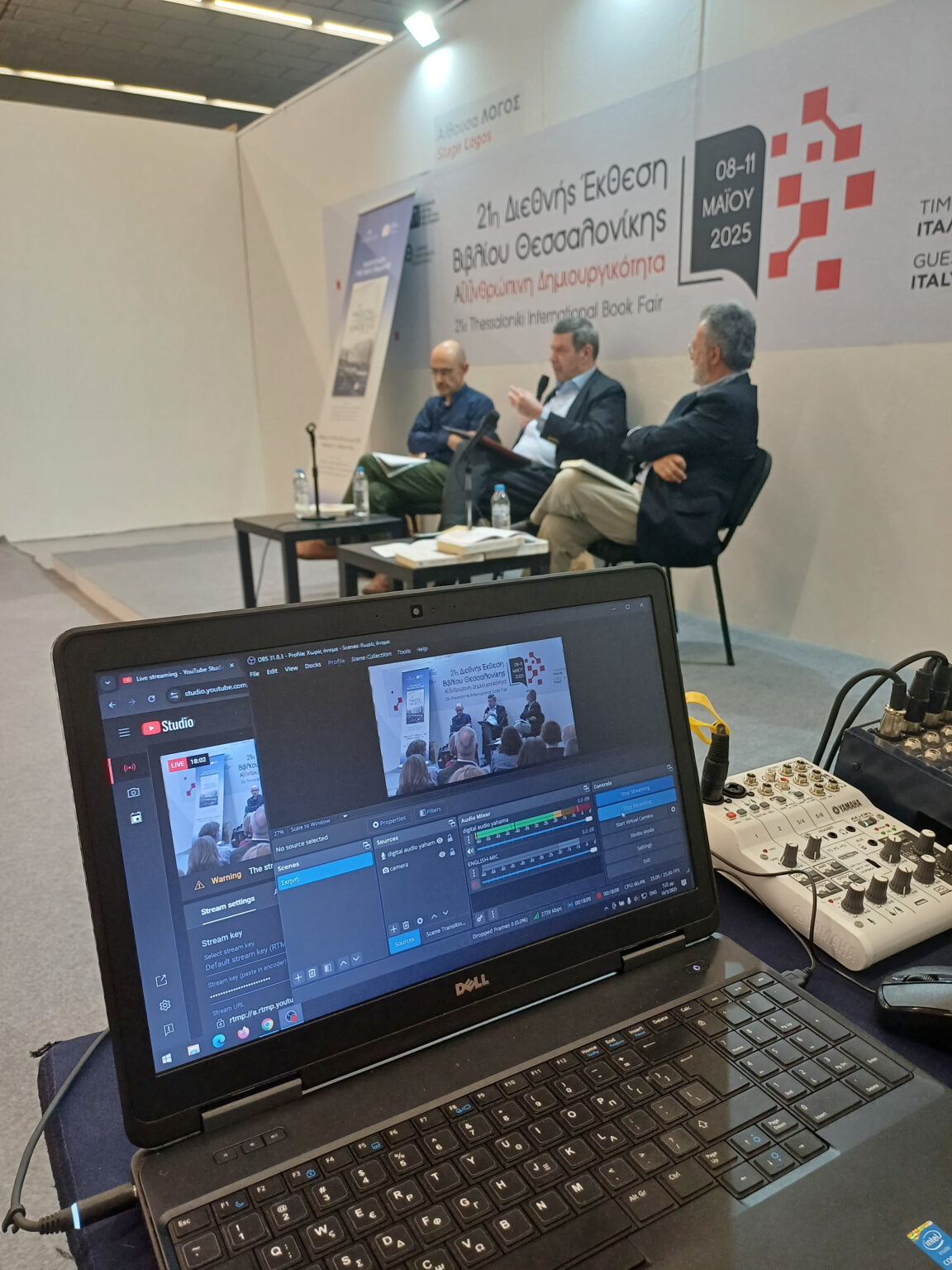
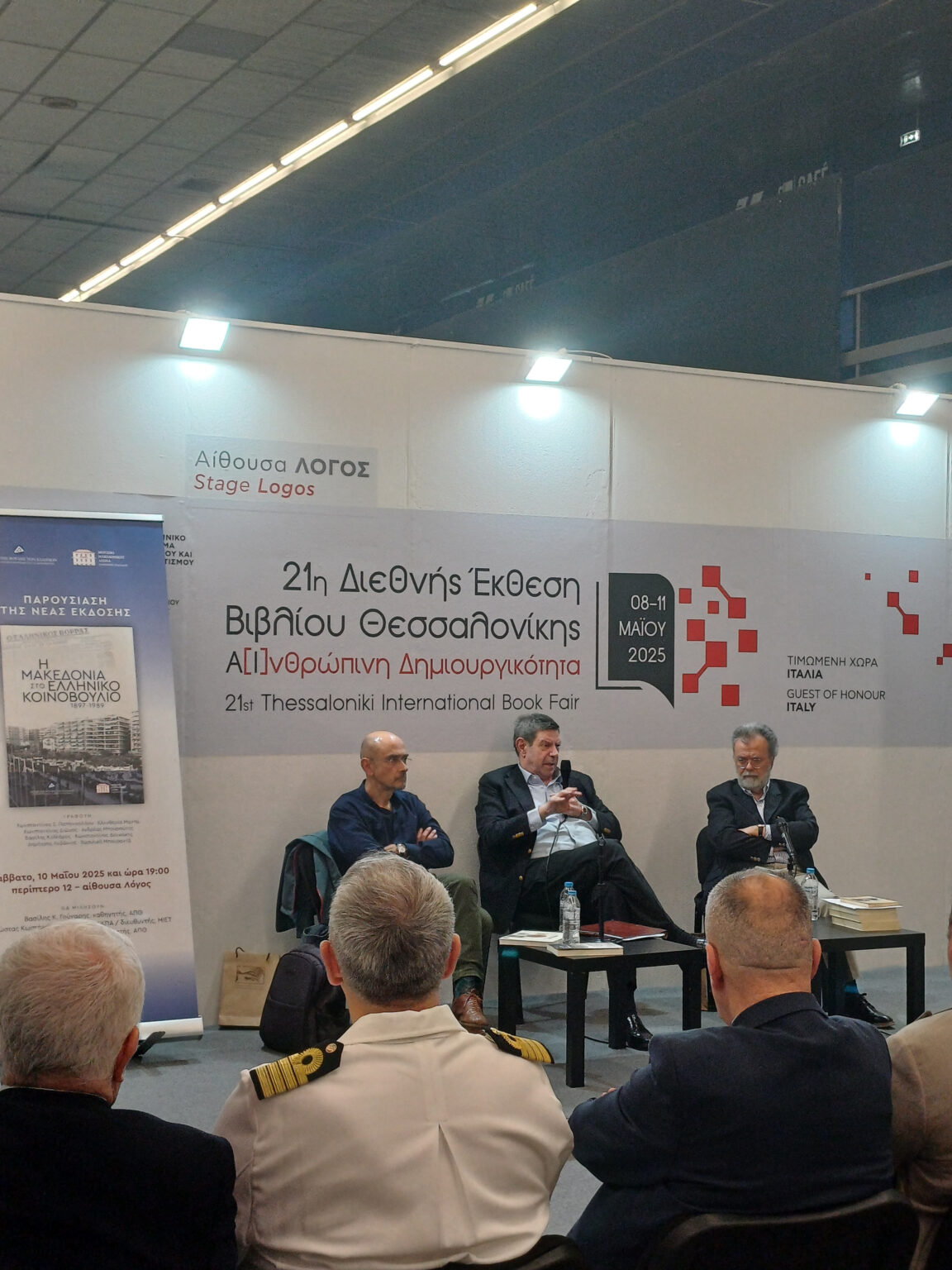
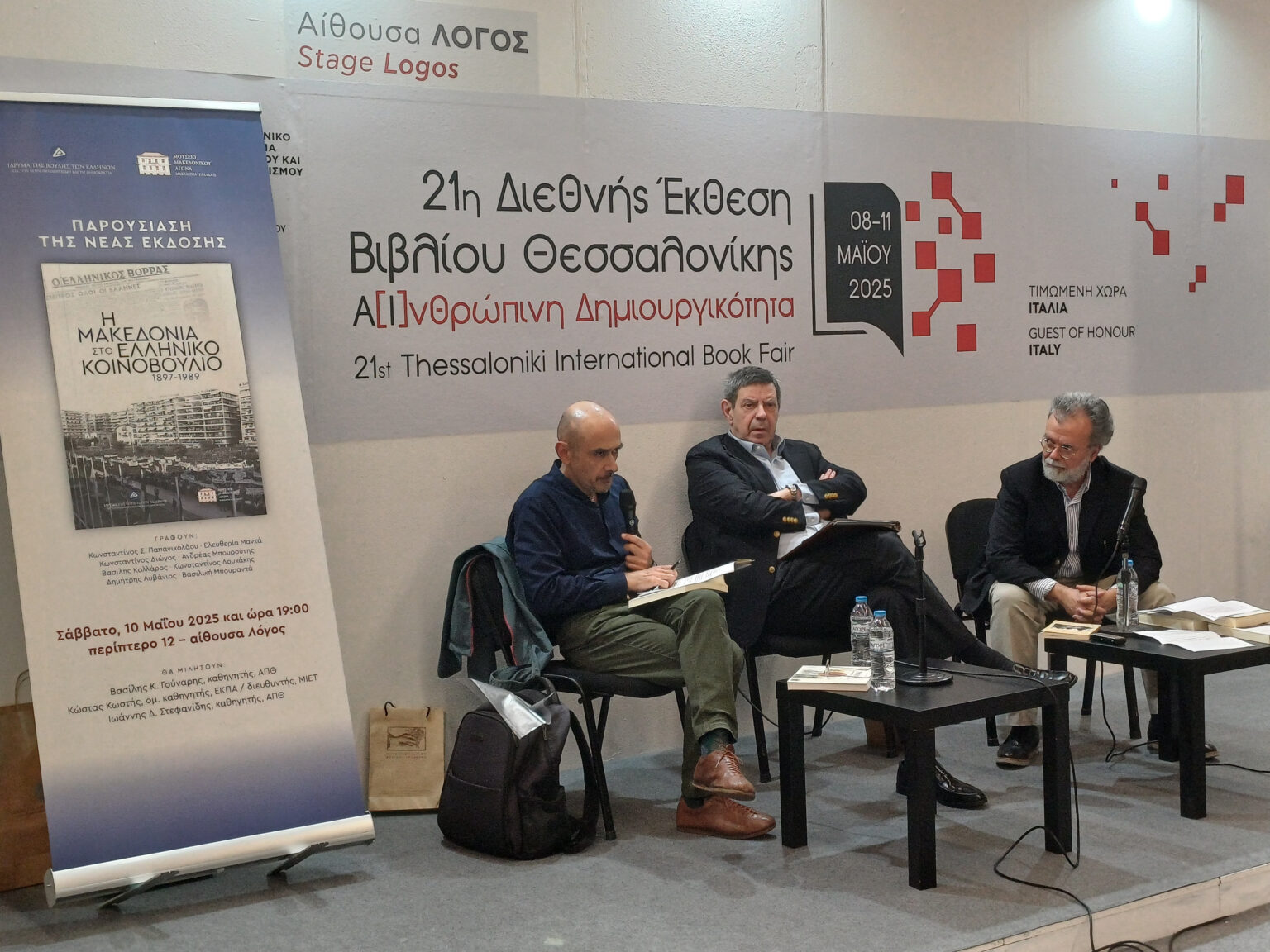
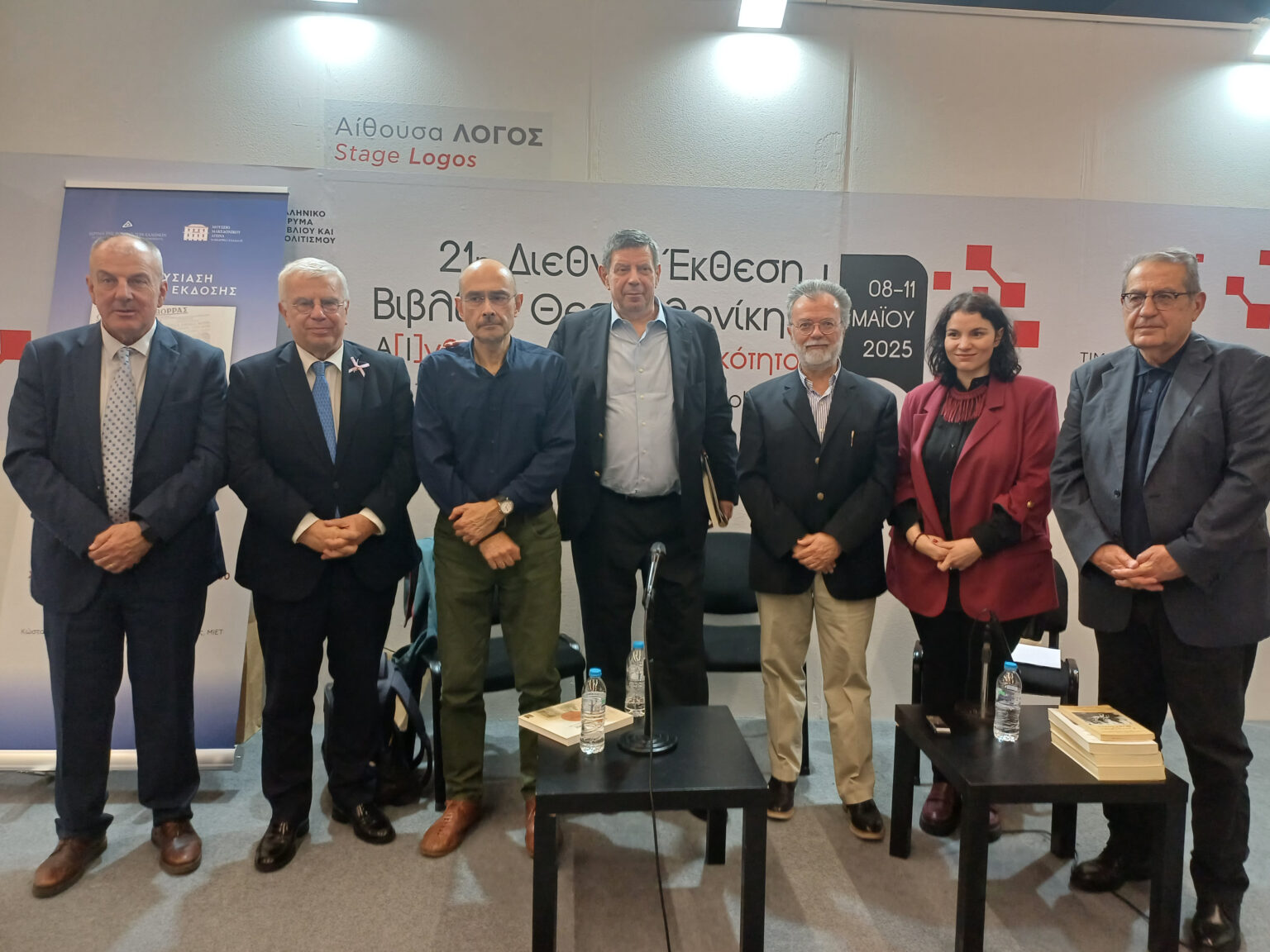
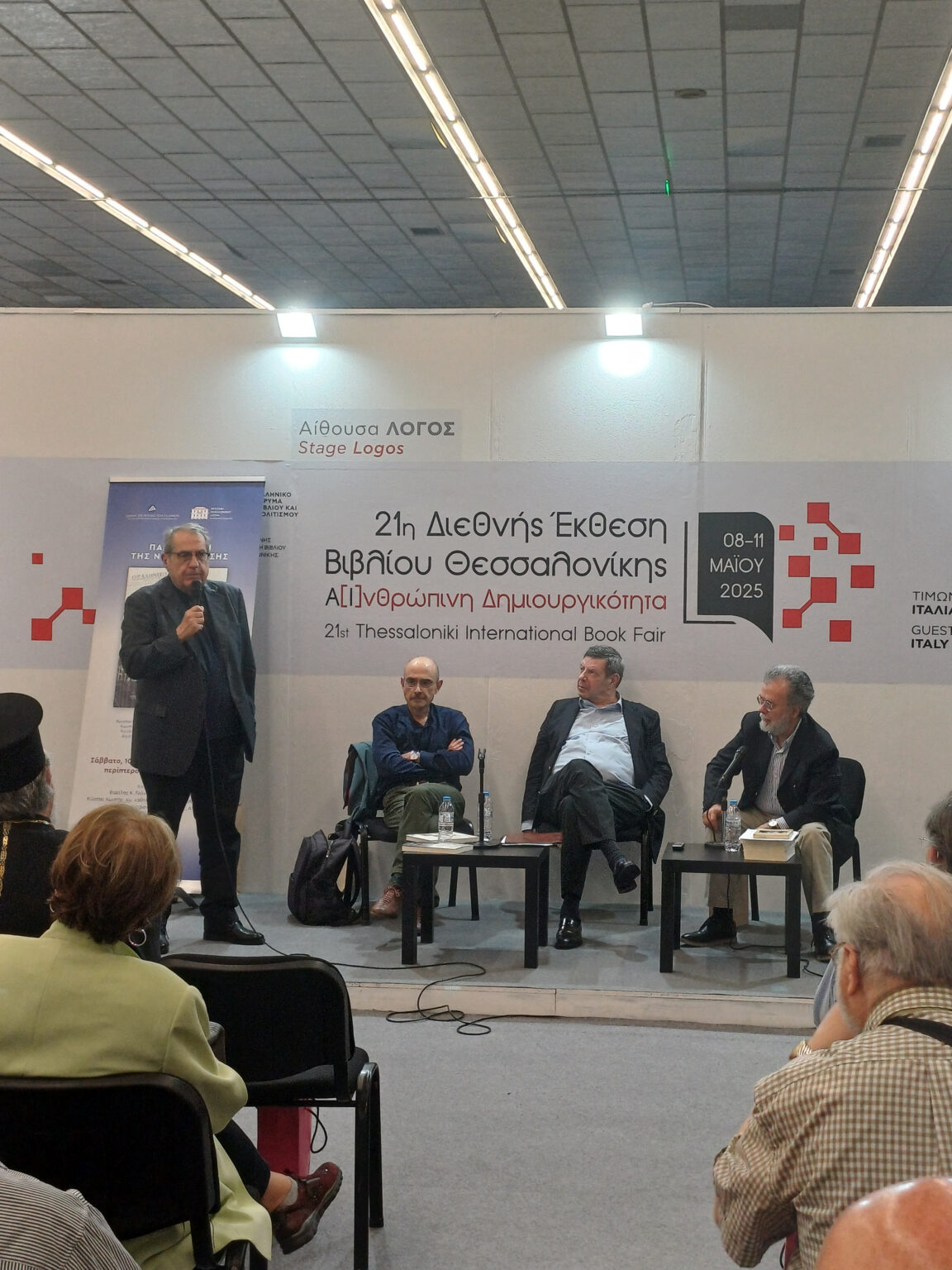
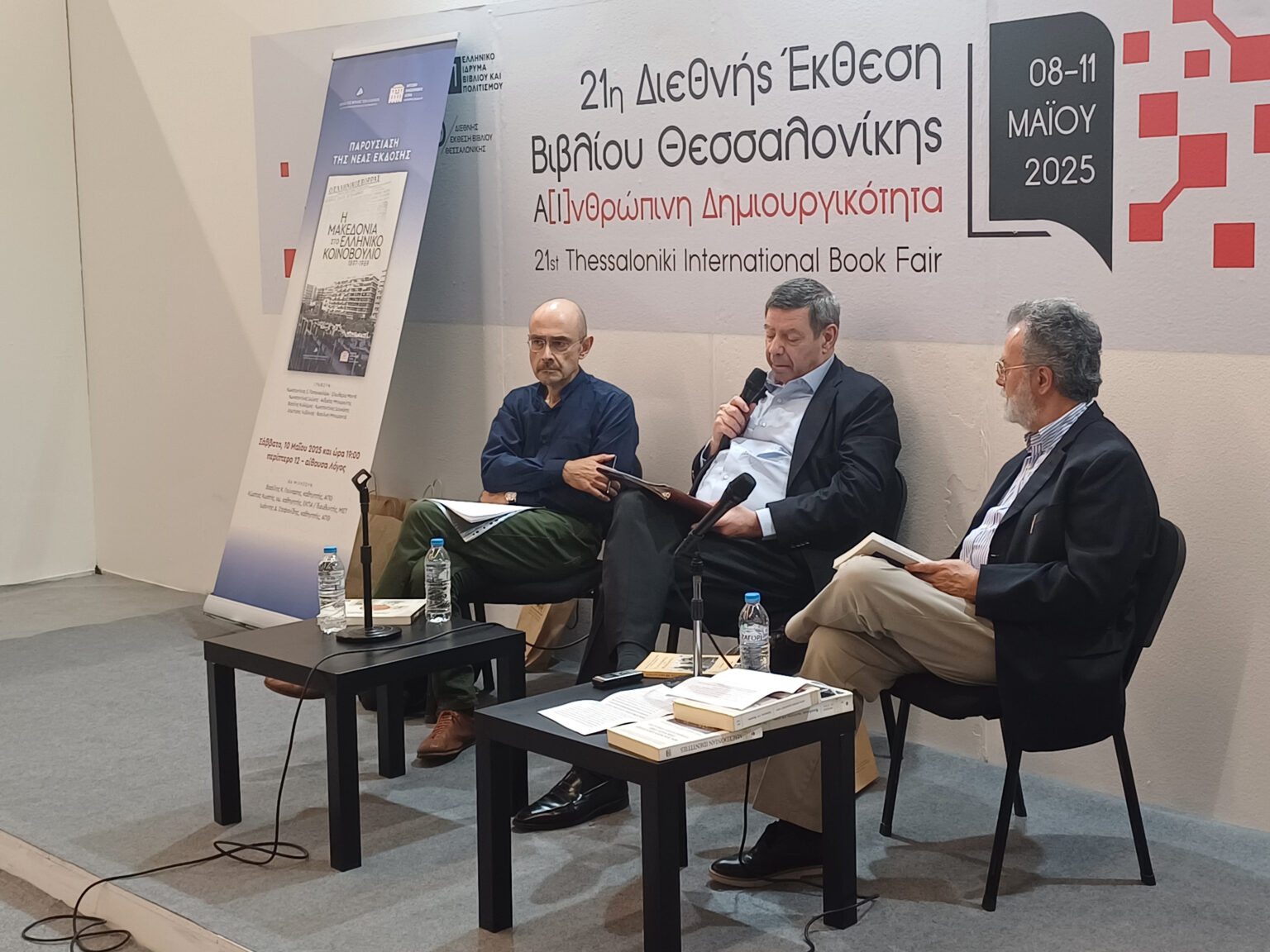
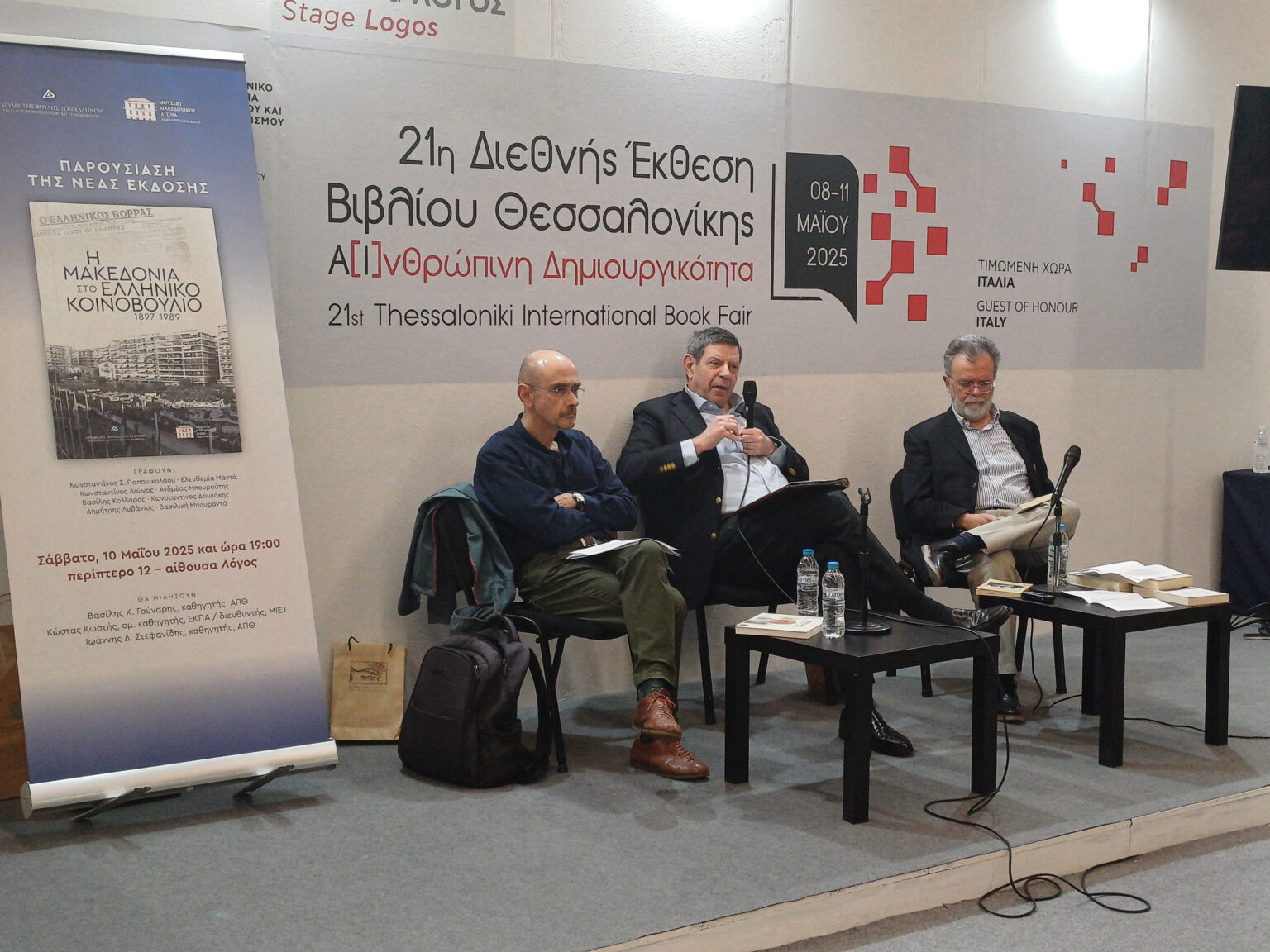
The Foundation of the Museum of the Macedonian Struggle and Modern History of Macedonia (IMMA) and the Foundation of the Hellenic Parliament for Parliamentarism and Democracy participated once again in this major book celebration, with their own exhibition stands. On Saturday, May 10, they presented their new co-publication titled Macedonia in the Hellenic Parliament, 1897–1989, edited by Vasilis K. Gounaris and Ioannis D. Stefanidis.
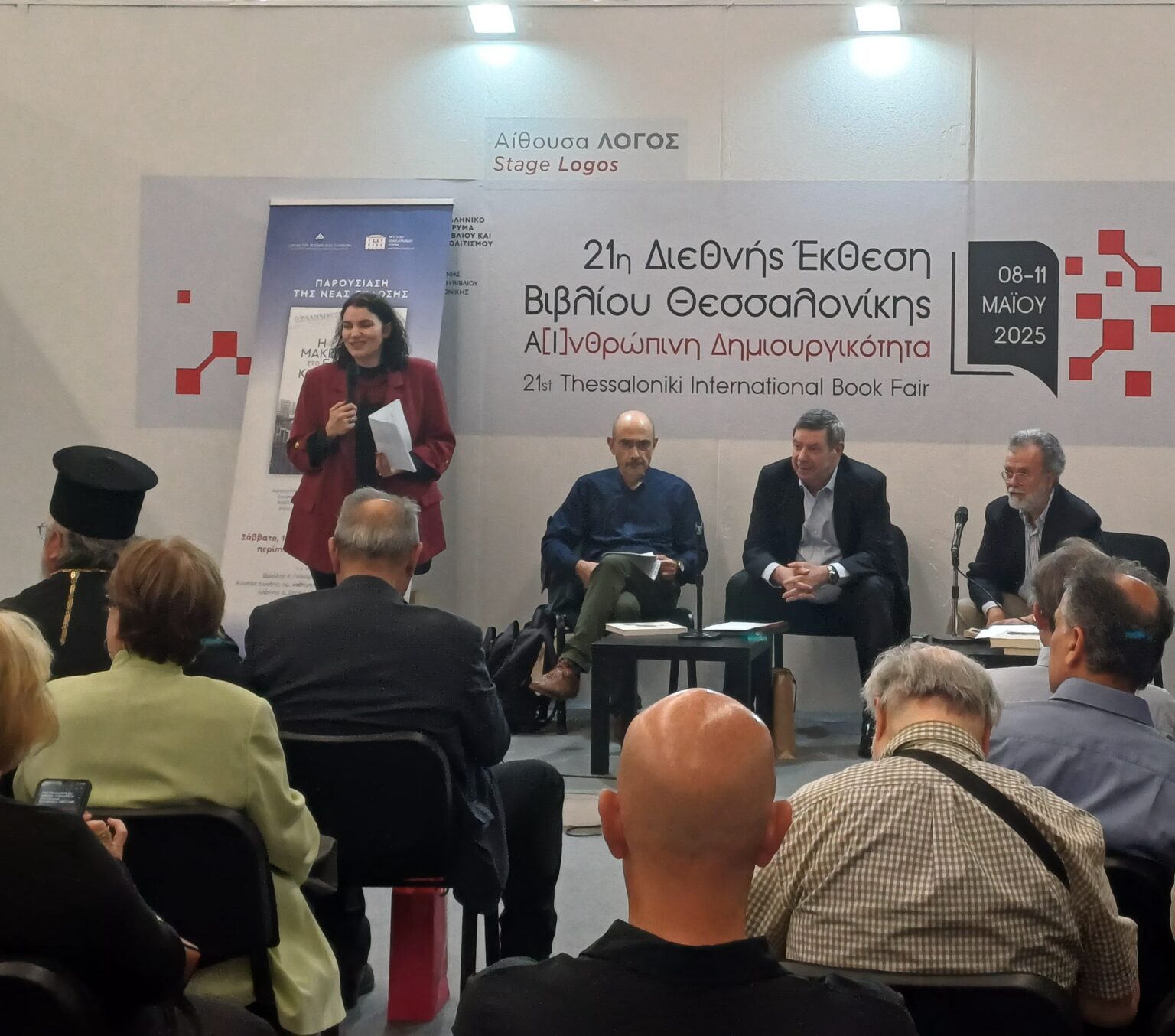
Opening the event, IMMA director Athina Pavlidou spoke about the contributors to the volume and the fruitful collaboration between IMMA and the Parliament Foundation, expressing her heartfelt thanks. A message from the Deputy Minister of Development and MP for Thessaloniki A, Stavros Kalafatis, was then read aloud. He emphasized the significance of the publication, which sheds light on crucial aspects of the national issue as reflected in parliamentary proceedings.
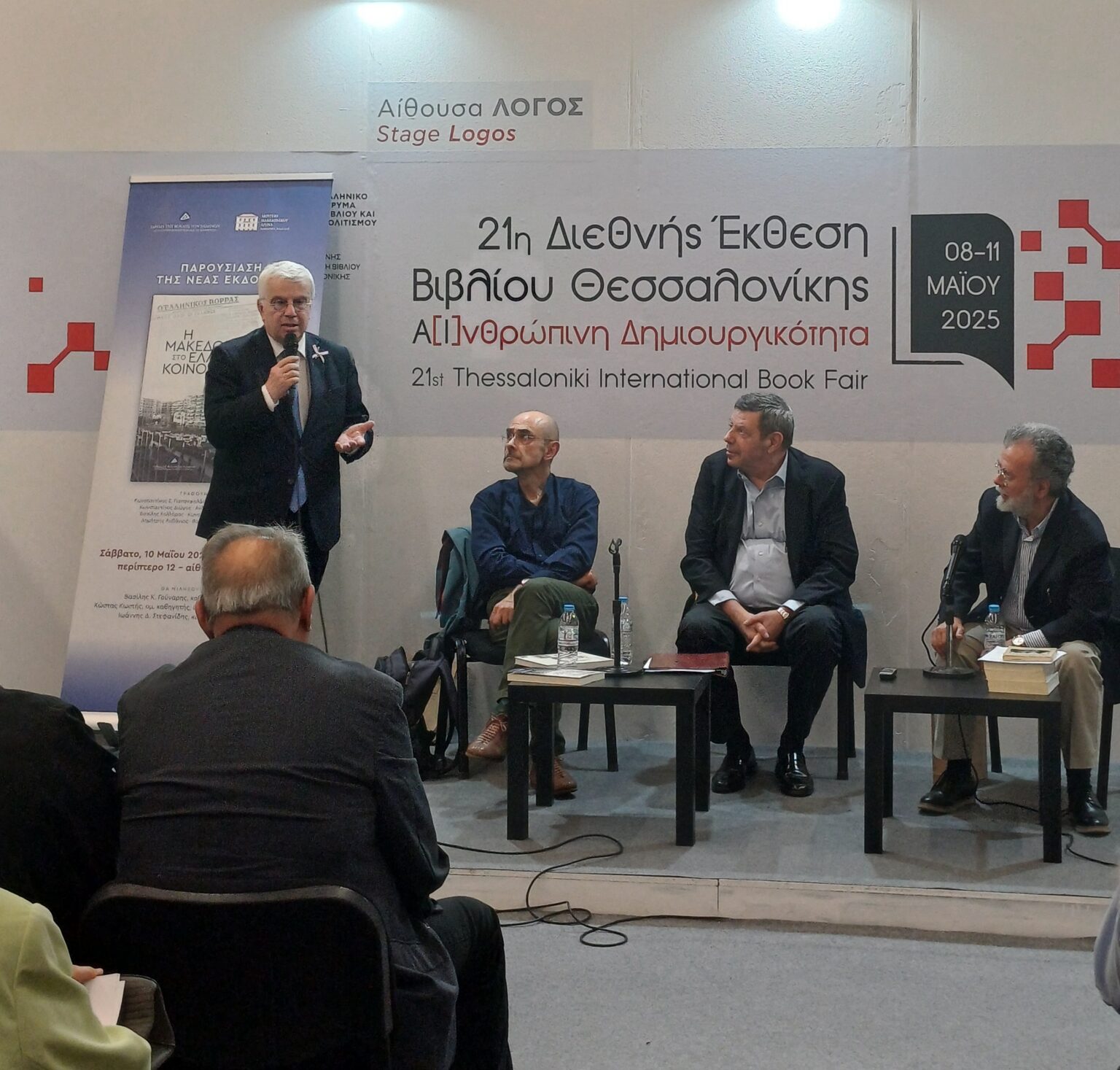
Professor Vasilis K. Gounaris (Aristotle University of Thessaloniki), co-editor of the volume, began by observing that the words spoken in Parliament live twice—first when uttered, and second when studied. He spoke of his long personal and academic connection with IMMA’s Center for Research on Macedonian History and Documentation, which he once directed. He then outlined IMMA’s foundational scholarly work, focusing on two pillars: acquiring and utilizing valuable archival material from Greece and abroad, and developing research programs that go beyond the Macedonian Struggle to broader themes such as foreign policy, identities, and collective memory. On this strong foundation, he said, the collaboration with the Parliament Foundation was a significant step forward. He acknowledged the many researchers involved in the project that led to the volume, and extended thanks to the former President of Parliament (and current President of the Hellenic Republic), Konstantinos Tasoulas, the current President of Parliament, Nikitas Kaklamanis, and the Foundation’s General Secretary, Professor Evanthis Hatzivassiliou.
Professor Kostas Kostis (Emeritus, University of Athens, and Director of the Cultural Foundation of the National Bank of Greece) began with two preliminary remarks: one praising the Parliament Foundation’s valuable contribution to historiography, and the other expressing admiration for the depth and breadth of the scholarly work by editors Gounaris and Stefanidis. He then noted that the “Macedonian issue” acted as a catalyst for the modernization of the Greek state in the late 19th and early 20th centuries—e.g., the formation of a capable army and infrastructure development were seen as prerequisites for claiming Macedonia. He referred to the “grumbling” that emerged after Macedonia’s incorporation regarding the attitude of the “Athenian state” toward the region. He stressed the significant disparities (economic, residential, lifestyle-related) between Northern Greece and southern regions even after WWII, as well as the progress that was made.
Professor Ioannis D. Stefanidis (Aristotle University of Thessaloniki), co-editor of the volume, discussed the research that led to its creation, which was based on three core themes: history (diplomatic and political), economics, and political science. He elaborated on Macedonia’s unique characteristics and why it has been consistently important for Greek politics and society. Exploring the feelings of insecurity, bitterness, and injustice present in the region’s local ideology, he identified several reasons: the effects of prolonged military conflict (from the Balkan Wars to the Civil War), social and ethnic heterogeneity, and the state’s policy of mass refugee settlement in Macedonia and Thrace after 1922. He then gave an overview of the volume’s contents and concluded with a discussion of the post-1974 Programmatic Development Centers initiated by Prime Minister Konstantinos Karamanlis—an ambitious attempt at full-scale decentralization. He emphasized how analyzing why such efforts did not succeed is still highly relevant today.
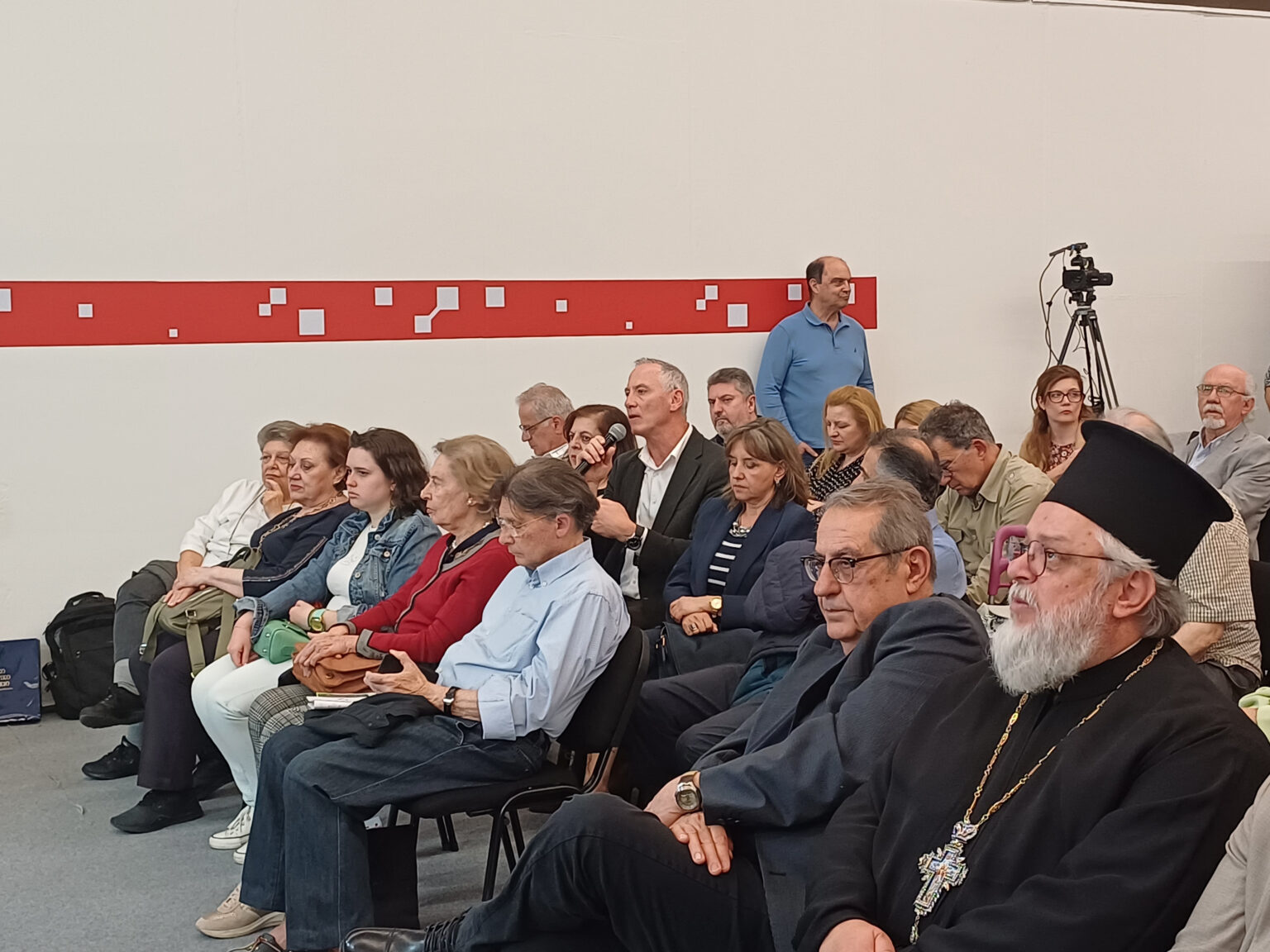
In the discussion that followed, topics that emerged included whether the responsibilities of the Greek state are an excuse, a stereotype, or a reality; Northern Greek identity; and the historical role of local MPs.
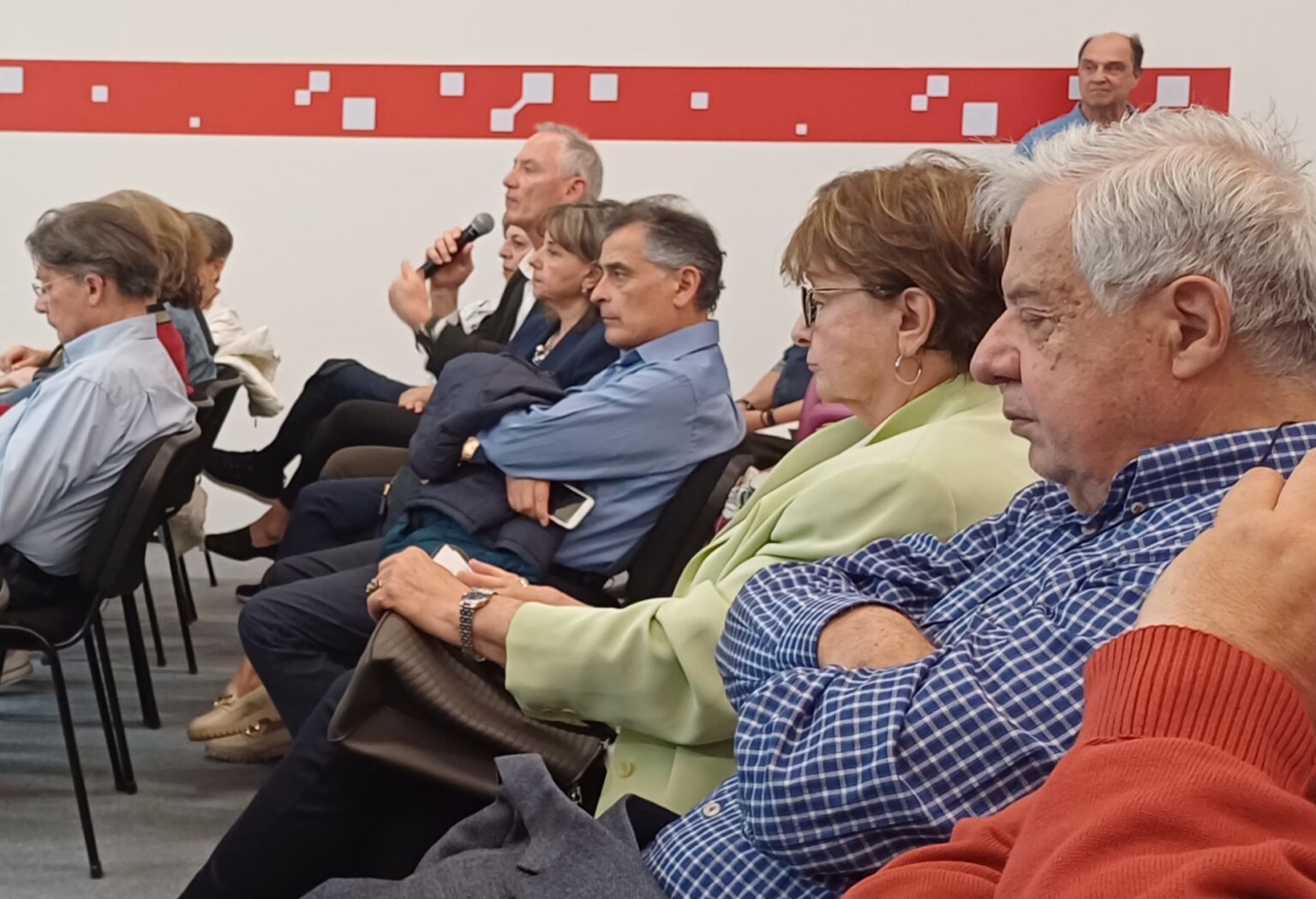
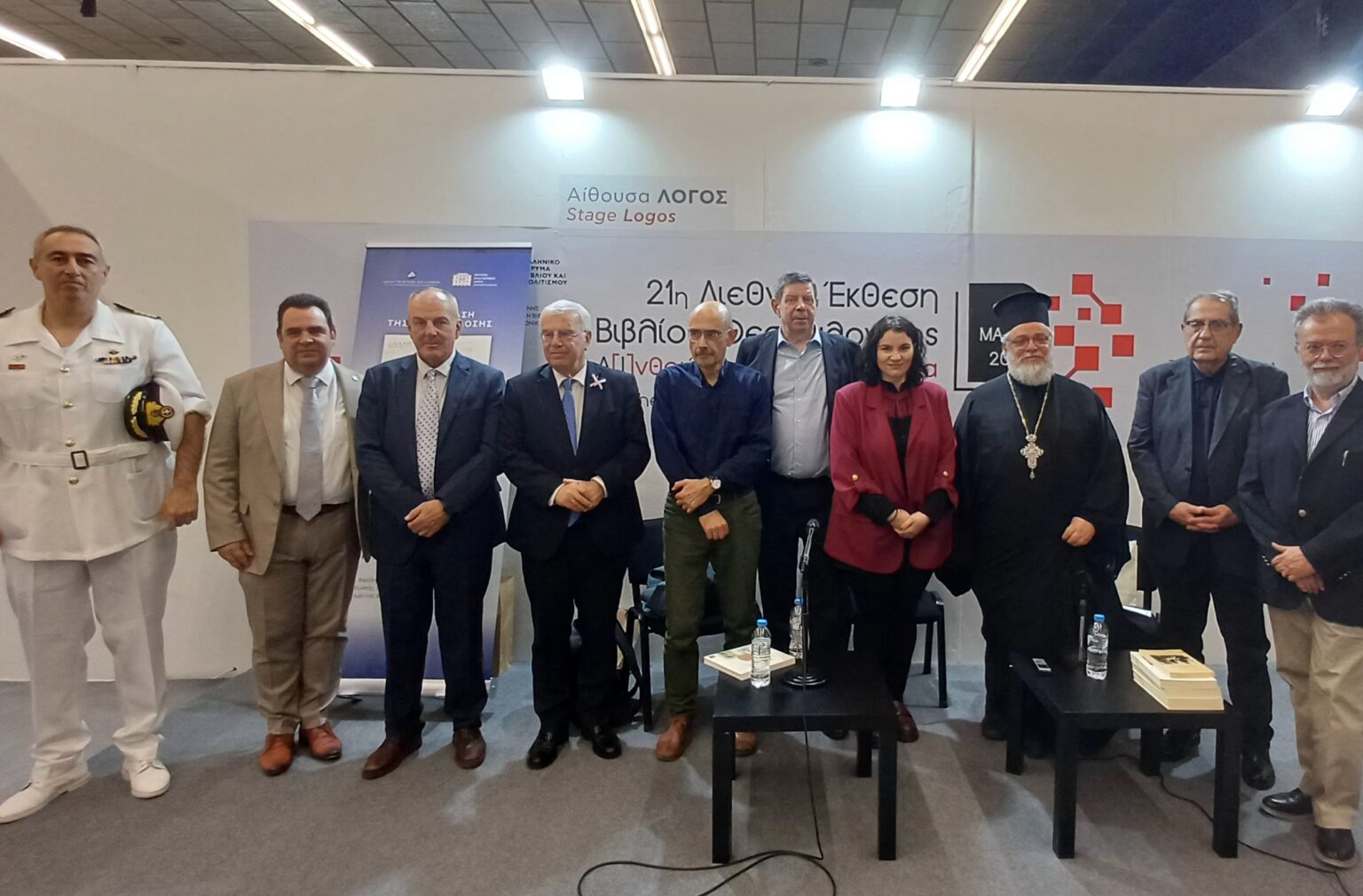
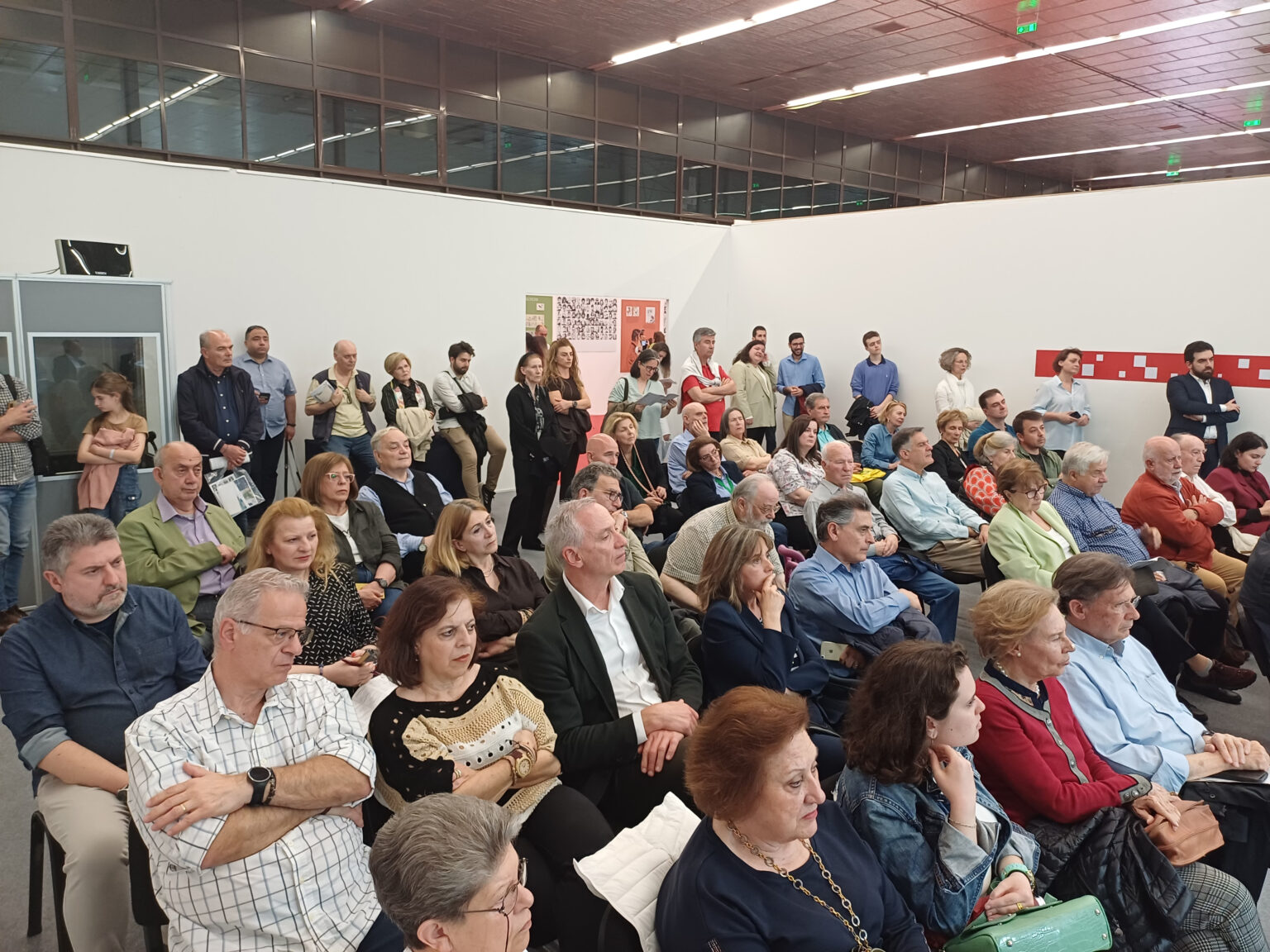
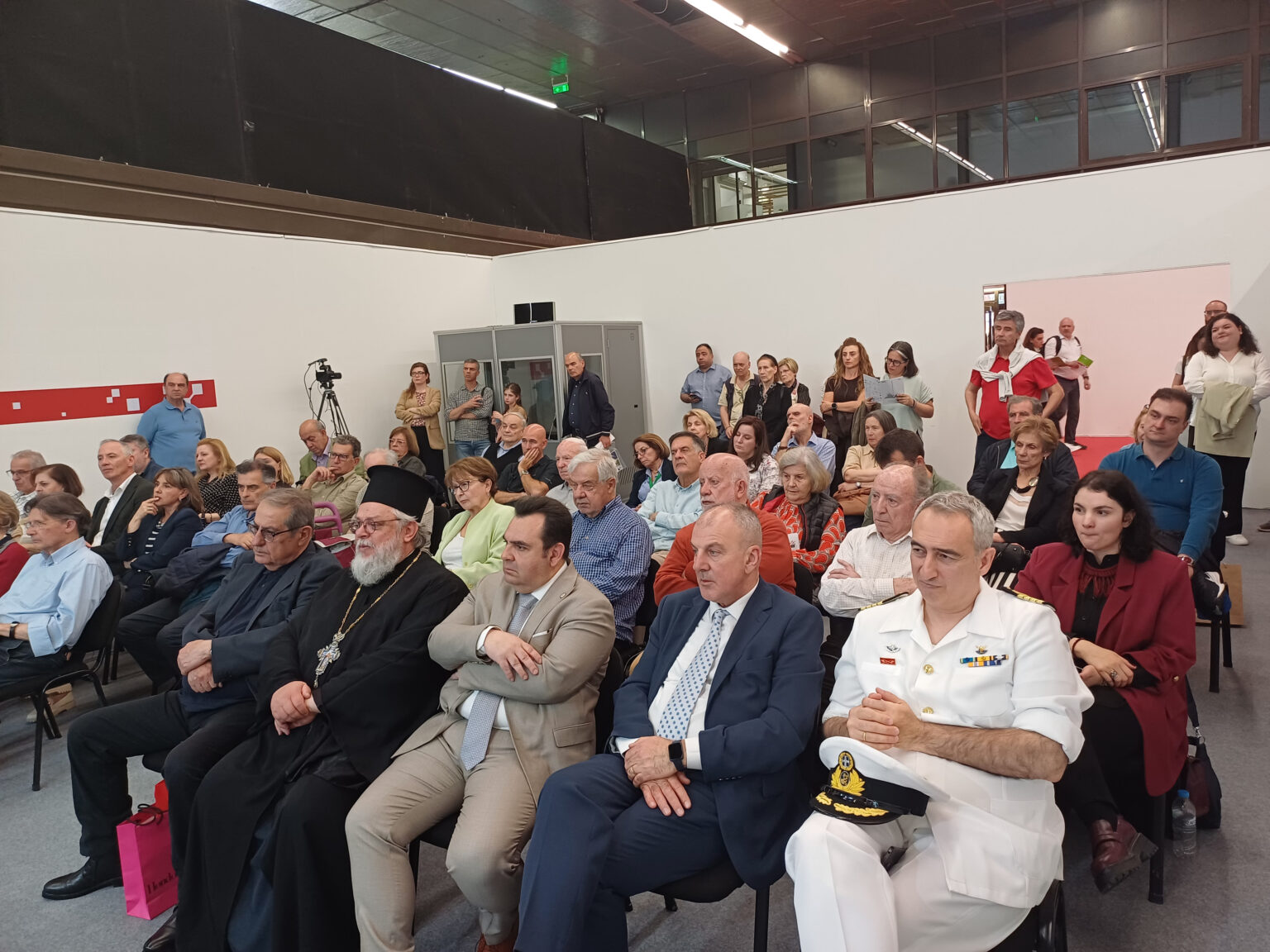
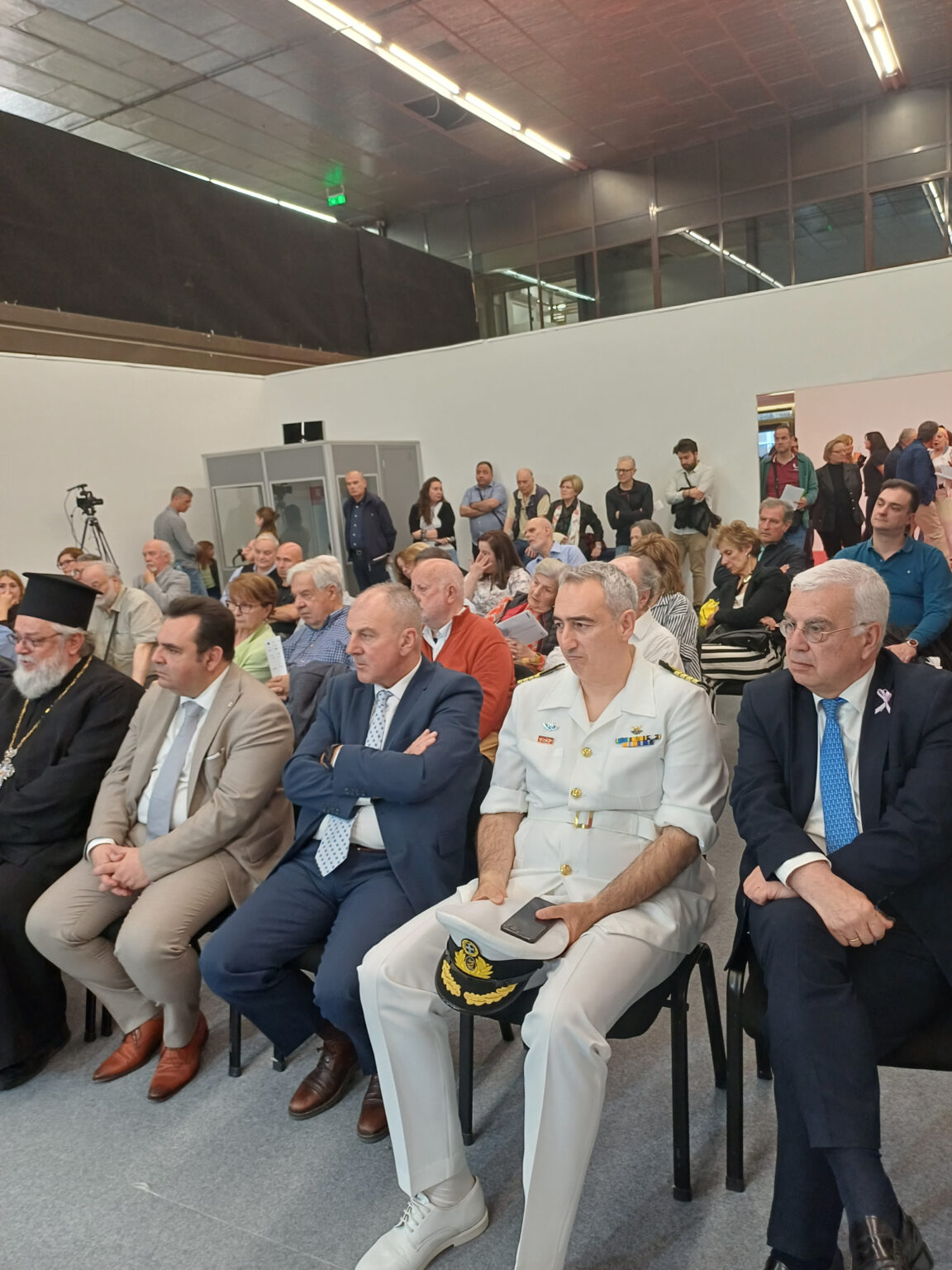
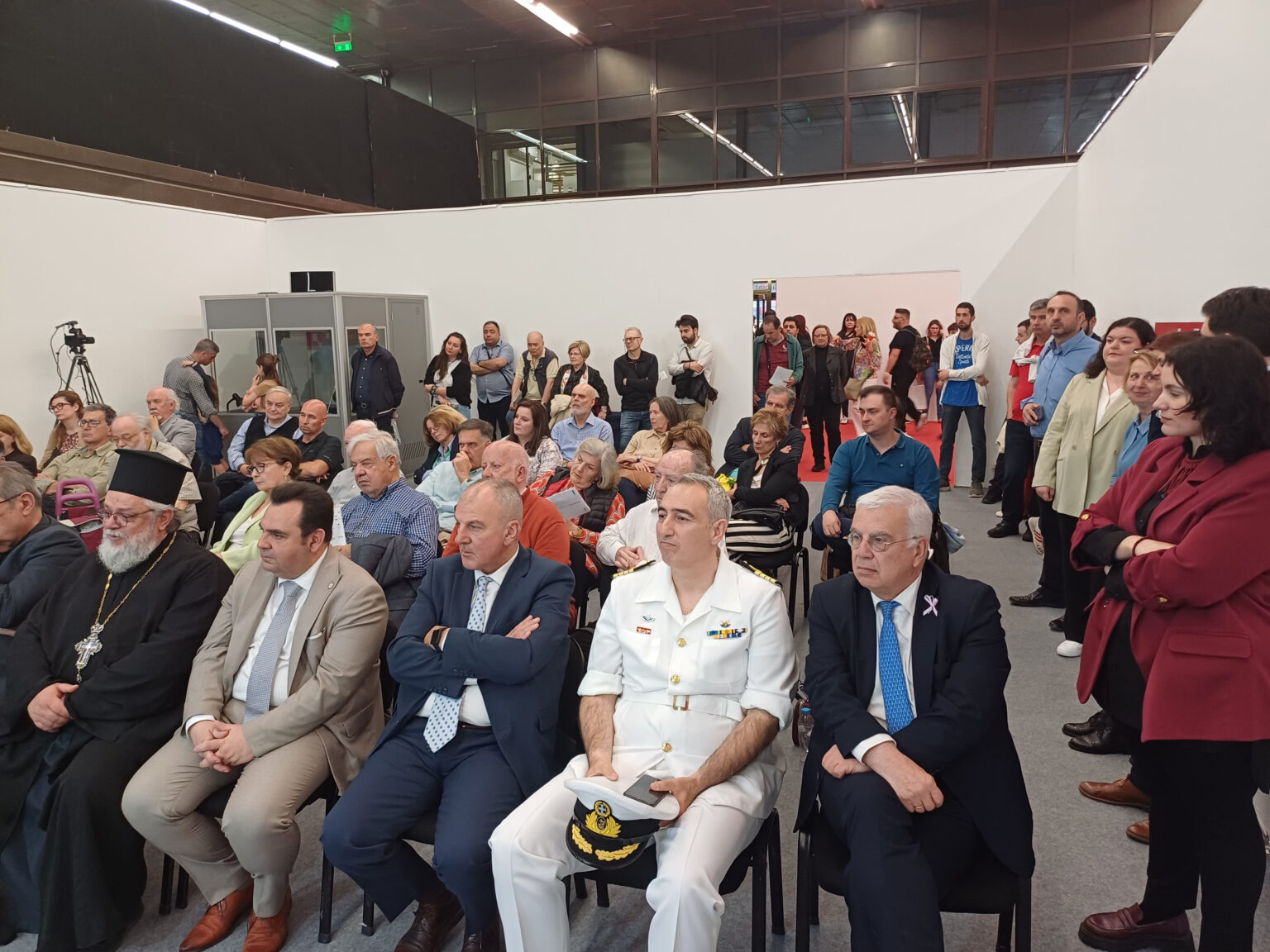
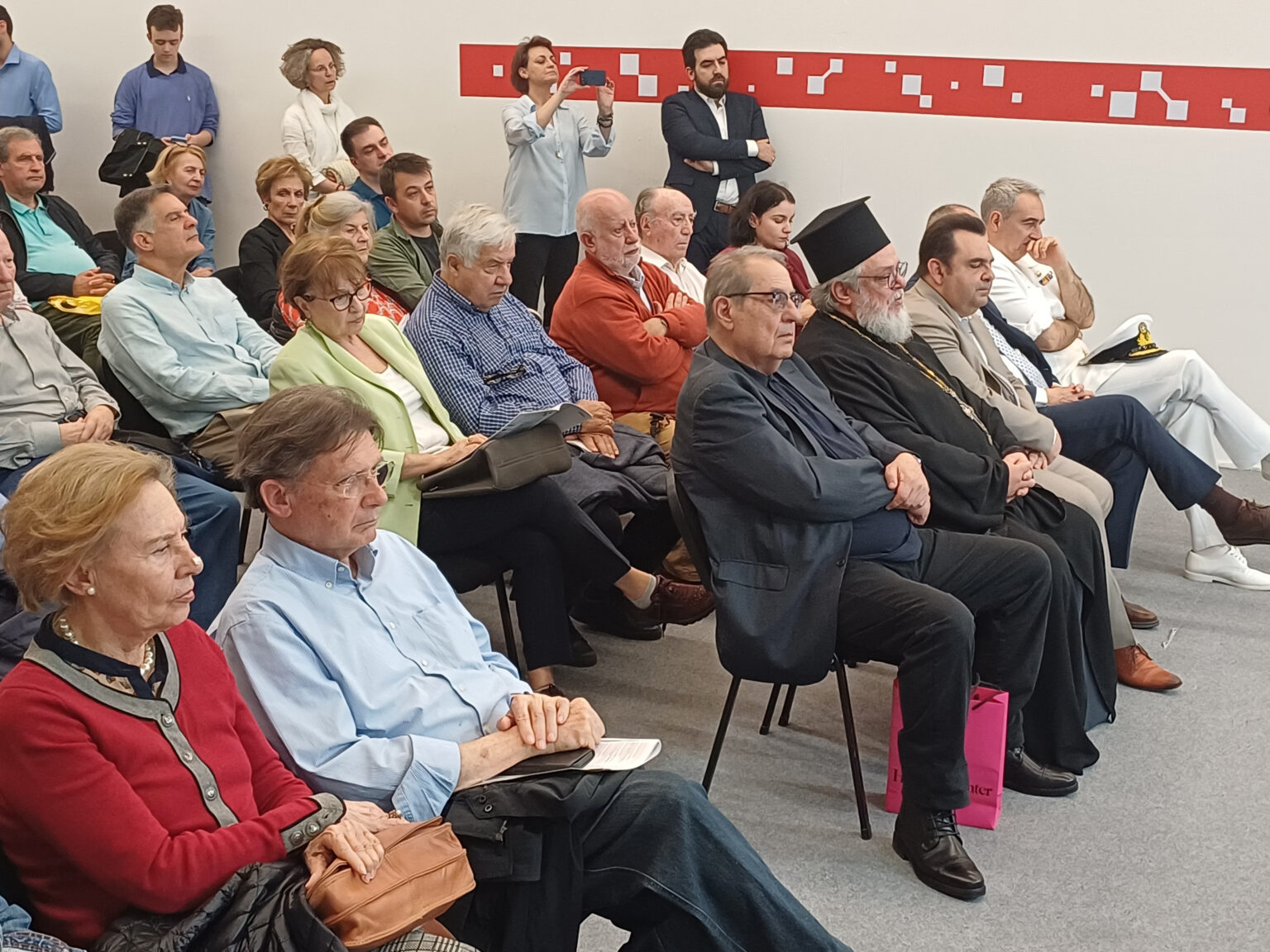
The event, held in the “Logos” hall (Pavilion 12) of the Thessaloniki International Book Fair, was honored by the presence of: Stratos Simopoulos (MP for Thessaloniki A), Christos Mittas (Deputy Regional Governor for Culture and Sports, representing the Governor of Central Macedonia, Nana Aidona), the Very Reverend Archimandrite Fr. Grigorios Papoulas (representing Metropolitan Philotheos of Thessaloniki), Navy Captain Dimitrios Patsikas (Commander of the Northern Greece Naval Station), former Minister for Macedonia-Thrace Giorgos Paschalidis, Professor Emeritus Ioannis Chasiotis (Modern History, AUTh, and former IMMA president), Giorgos Konstantinidis (President of the Philoptochos Brotherhood of Men of Thessaloniki—FAATH), members of the “Friends of the Museum of the Macedonian Struggle” Association, many academics, publishers, and friends and collaborators of IMMA and the Parliament Foundation—as well as a large number of book lovers attending the Fair.
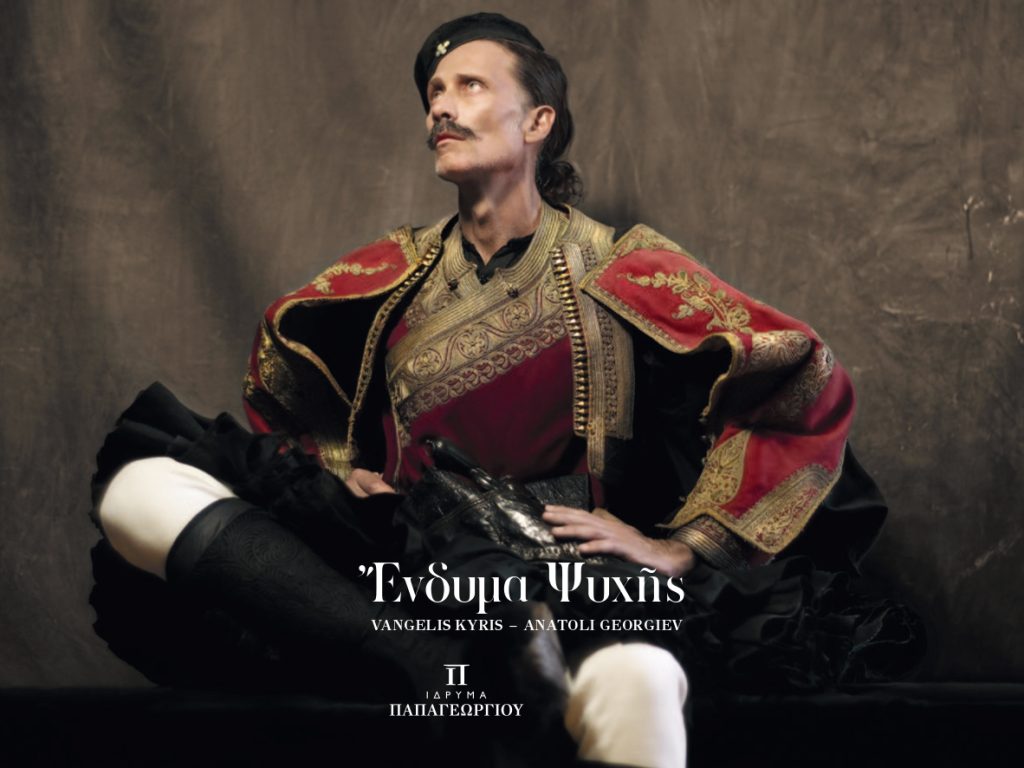
The Museum of the Macedonian Struggle participates in the exhibition “Raiment of the Soul”
Exhibitions September 2024 – January 2025